Leonid Meteor Shower 2024: Peak Dates, Viewing Tips, and What to Expect
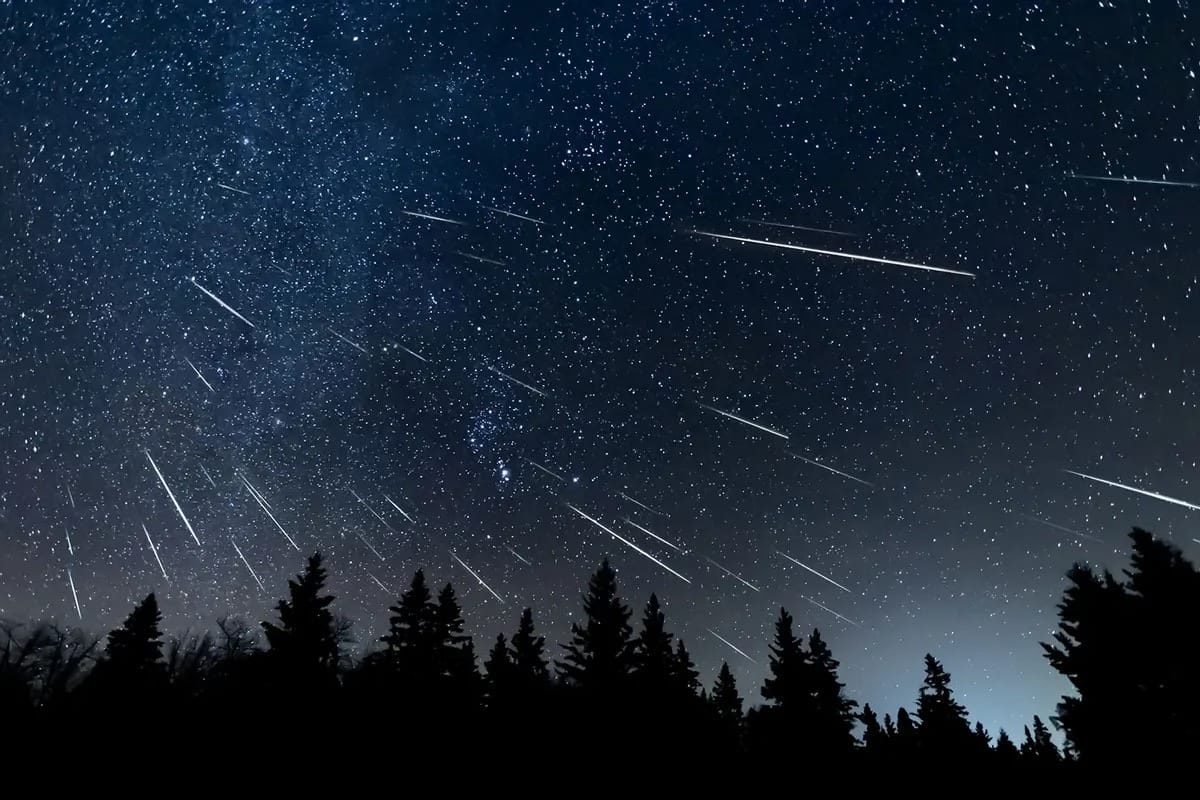
The Leonid Meteor Shower is gracing the night skies once again, offering a celestial spectacle perfect for stargazers and dreamers alike. Mark your calendar for its peak nights—November 16-18—and prepare for a mesmerizing display of shooting stars.
Why You Should Watch the Leonid Meteor Shower

The Leonids are known for their speed, brilliance, and occasional fireballs. As Earth passes through the debris left behind by Comet 55P/Tempel-Tuttle, these “shooting stars” streak across the sky at an incredible 158,400 mph. This annual event is one of the fastest and most anticipated meteor showers of the year.
Though 2024 won’t feature a meteor storm (the rare event when over 1,000 meteors per hour light up the sky), you can still expect up to 15 meteors per hour under ideal conditions. And if you’re lucky, you might spot Earth-grazers—meteors that skim the atmosphere, producing vibrant, long-lasting tails.
When and Where to Watch
The Leonids will peak during the nights of November 16-17 and November 17-18, 2024, with the best viewing hours between midnight and dawn. While the waning gibbous moon will make fainter meteors harder to see, bright fireballs and Earth grazers should still dazzle.
To catch the best views, find a location away from city lights and let your eyes adjust to the darkness for at least 20-30 minutes. Stargazing in a moon shadow—such as behind a building or under a tree cover—can also help minimize moonlight interference.
What Makes the Leonids Special
Historical Significance
The Leonids are legendary for producing some of the most spectacular meteor storms in recorded history. In 1833, an estimated 100,000 meteors per hour lit up the sky, sparking awe and speculation around the world. The 1966 storm was similarly unforgettable, with thousands of meteors visible every minute for a brief 15-minute window.
The Fastest Meteors
The Leonids are not just stunning; they’re incredibly fast. Their high velocity creates streaks of light that are often brighter and longer-lasting than other meteor showers.
The Radiant Point
These meteors appear to originate from the constellation Leo, making it easy to trace their radiant point. While you don’t need to look directly at Leo to spot the meteors, the constellation adds an extra touch of celestial charm.
Tips for the Best Viewing Experience
- Head to a Dark Spot – Find a location far from artificial lights for the clearest view.
- Bring a Blanket or Chair – Lean back, relax, and take in the wide expanse of the sky.
- Leave Telescopes at Home – The naked eye is all you need to enjoy the Leonids.
- Avoid Screens – Keep phones and other bright devices off to allow your eyes to adjust fully.
- Dress Warmly – Late nights in November can be chilly, so layer up for comfort.
What to Bring
- A red flashlight to navigate in the dark.
- Hot drinks like tea or cocoa to stay warm.
- A star map or app to help identify constellations.
- Snacks for a cozy stargazing session.
Details at a Glance
- Peak Dates: November 16-18, 2024
- Best Viewing Time: Midnight to dawn
- Visibility: Up to 15 meteors per hour under ideal conditions
- Origin: Debris from Comet 55P/Tempel-Tuttle
- Tips: Find a dark spot, dress warmly, and bring a blanket
Note to Readers: For the most up-to-date information, visit trusted astronomical sources like NASA or the American Meteor Society.
More…